How to read a skincare ingredient list
A practical Australian label-reading guide: find the full list, understand its limits and compare the actual pack.
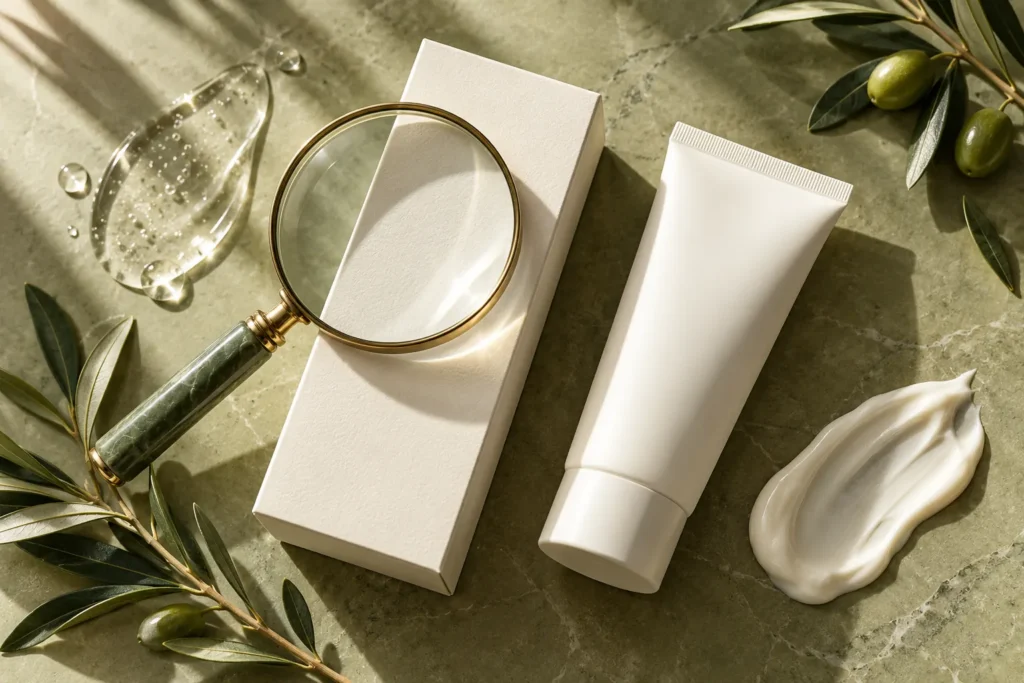
Reading an ingredient list can make skincare shopping feel more deliberate. It can also become frustrating when unfamiliar words seem to demand a chemistry qualification. You do not need to memorise every ingredient. Begin with the full list, your own known sensitivities, and the question you want the product to answer.
The considered take: An ingredient list is useful information, not a complete performance report or a personal safety score.
Find the complete list before comparing
Use the ingredient declaration for the exact product, not a short marketing list of featured ingredients. A retailer description, an overseas manufacturer page and a reformulated pack may not all refer to the same version.
Keep the product name, pack size and market together when saving a list. If there is a mismatch, ask the retailer to confirm the current packaging before you order.
Understand what ingredient order can tell you
The Australian mandatory standard permits ingredients at 1% or more in descending order, followed by ingredients below 1% in any order and colour additives in any order. It also provides for an overall descending-order list. [1]
You therefore cannot normally calculate a precise percentage from a position on the label. An ingredient appearing lower down is not, by itself, proof of a useless formula.
Use names as clues, not scores
Look first for ingredients you already know you must avoid. Next, identify anything you want to ask about. The goal is to make a more specific question, not to label every long chemical name as bad or every botanical name as good.
A useful example is Jumiso Niacinamide 5+ Overnight Cream. Its current official list includes niacinamide, Ceramide NP and hyaluronic-acid-related ingredients. That tells you they are listed, not the precise amount or individual suitability of every component. [2]
Compare the whole buying decision
Place the ingredients alongside directions, quantity, current price and the role the product would play. If two products overlap, decide whether the extra purchase adds something you want. The most informed outcome can be keeping a product you already use.
For a suspected allergy or persistent reaction, take the actual pack and your routine notes to a qualified professional. An ingredient-search app or a general article cannot provide a diagnosis.
Explore products mentioned in this guide
These are examples from the MiGlow collection, not a prescription or a promise of results. Check the current pack, full ingredients and directions before choosing.
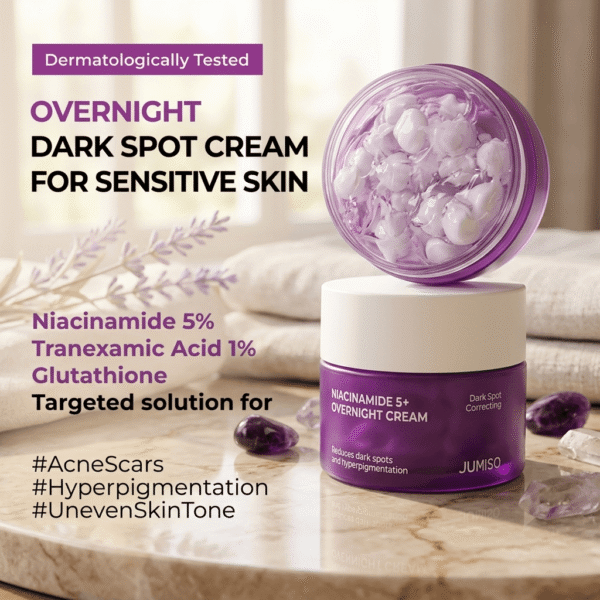
JUMISO
JUMISO Niacinamide 5+ Overnight Cream – 50ml
Moisturisers · 50ml
In stock
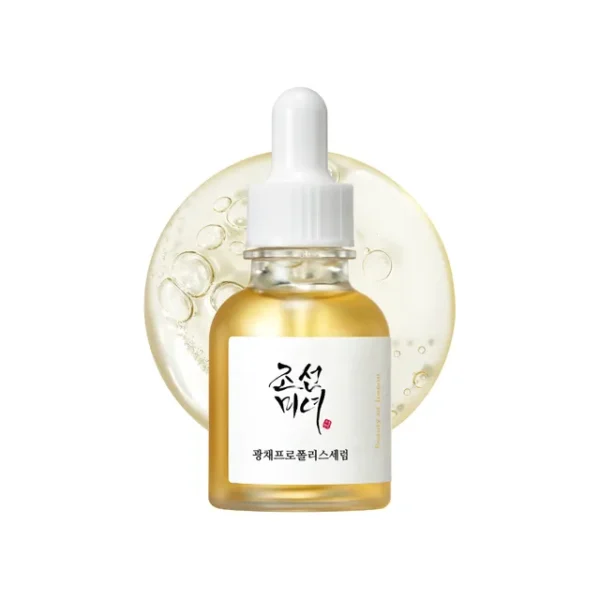
Beauty Of Joseon
BEAUTY OF JOSEON ~ Glow Serum – Propolis + Niacinamide
Serums/Ampoules
In stock
A few useful questions
Can I calculate a percentage from the order?
Usually not. The labelling rules and complete formula do not give a precise concentration for every ingredient.
Should I avoid every unfamiliar ingredient name?
An unfamiliar name alone does not establish that an ingredient is inappropriate. Focus on reliable information and your known sensitivities.
Continue your discovery: understanding niacinamide.
Sources and editorial notes
- ACCC Product Safety: cosmetics ingredient labelling
- Jumiso: Niacinamide 5+ Overnight Cream ingredients
Sources checked 28 October 2026. Manufacturer pages may describe a different market or reformulation. The packaging supplied with your product is the reference for its ingredients and directions. MiGlow sells products mentioned here; product links are commercial links. No independent product testing or dermatologist review is claimed.
General cosmetic education, not individual medical advice. A product or ingredient may not suit every person. Seek qualified advice for persistent irritation or a diagnosed skin condition.